

Locating the perfect noise-proof curtains is needed for anyone looking to make a peaceful and quiet setting in the home or in the workplace. With noise pollution being an increasing issue in cities, having drapes that block up to sound insulating curtain (rideau isolant phonique) will make an amazing difference in your daily comfort. But how will you pick the proper ones? This information can walk you through the critical factors to take into account when selecting noise-proof curtains.
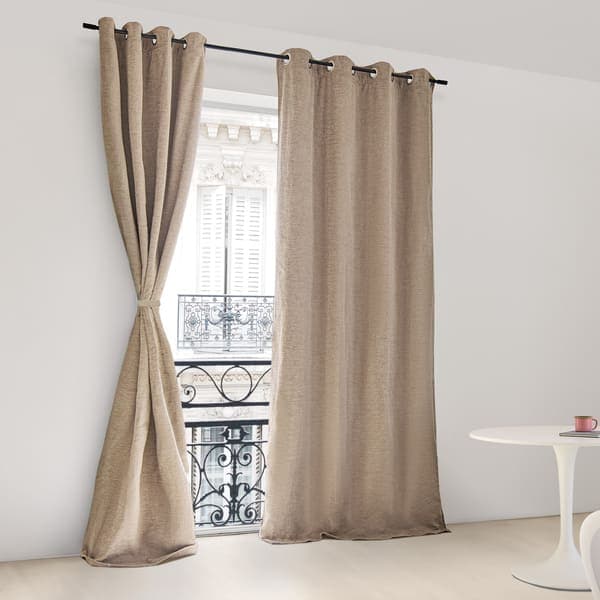
What is 30 dB Sound Reduction?
Before we leap to the features to consider, you ought to first understand what a 30 dB noise decrease curtain can do. Decibels (dB) are used to measure noise levels. Daily seems like quiet discussions or mild rainfall float around 30 dB. Curtains with a 30 dB sound reduction capability may somewhat muffle annoying sounds from outside, such as for example traffic, nearby construction, or noisy talks on the street.
While these drapes won't remove all noise, they create a calmer setting, especially for gentle sleepers, home office workers, or individuals wanting a serene placing for relaxation.
Facets to Consider When Picking Noise-Proof Curtains
1. Material Matters
The cloth is the absolute most important part of noise-proof curtains. Solid, major components like cotton, velvet, or triple-weave textiles do well at absorbing sound. Many curtains designed for noise decrease contain a thick primary or multiple levels to improve their effectiveness. Try to find drapes with firmly woven materials to block the most sound.
Pro Idea: Drapes with additional thermal efficiency usually provide better noise-blocking benefits.
2. Curtain Depth and Thickness
The heavier and denser your curtain, the greater it'll stop sound. Curtains with an increased GSM (grams per square meter) status are normally far better at soundproofing. If you are intent on keeping sound out, prioritize heavy types that expand beyond simple visual value.
3. Size and Insurance
Make fully sure your noise-proof drapes are both wide and good enough to completely protect your windows and actually extend several inches beyond the screen frame. This ensures you can find no breaks for sound to seep through. A floor-to-ceiling curtain is often the best choice for maximum coverage.
4. Grommets vs. Rod Pocket Types
The style of your curtain can also affect noise reduction. While grommet styles are popular and easy to put in, pole pocket curtains tend to produce a tighter seal contrary to the wall, that may reduce more noise from entering. Choose the style that meets equally your aesthetic and useful needs.
5. Adding for Extra Sound Reduction
For increased noise reduction, contemplate layering your noise-proof curtains over active absolute or blackout curtains. This extra layer provides warmth and helps absorb more sound waves.
6. Style and Aesthetics
While operation is vital, your curtains must however fit the artistic of one's room. Pick shades, designs, and textures that match your design while maintaining noise-blocking performance a priority.
Fast Strategies for a Perfect Selection
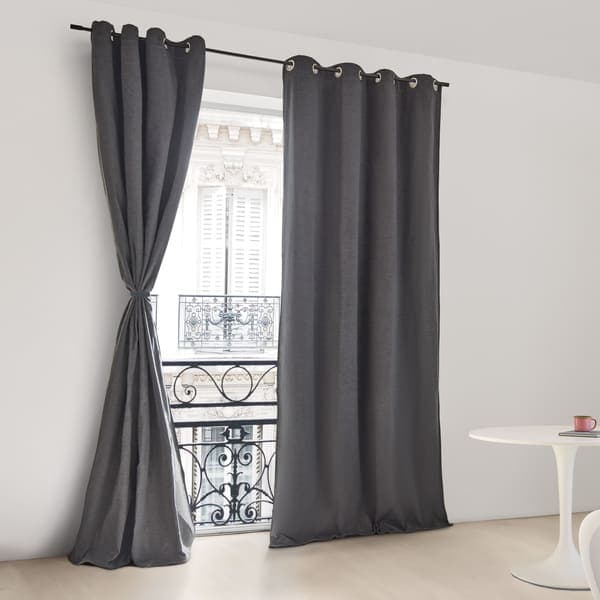
•Generally look for drapes with lab-tested noise reduction rankings or certifications.
•Set curtains with different soundproofing answers, like window closes or carpets, to maximise their effect.
•Study client reviews and testimonies to guarantee the curtains accomplish as advertised.
By keeping these factors in mind, you can choose a noise-proof curtain that not only keeps annoying sounds at bay but also promotes the overall search of one's space. A 30 dB sound decrease curtain is really a worthy investment for peace and serenity.